
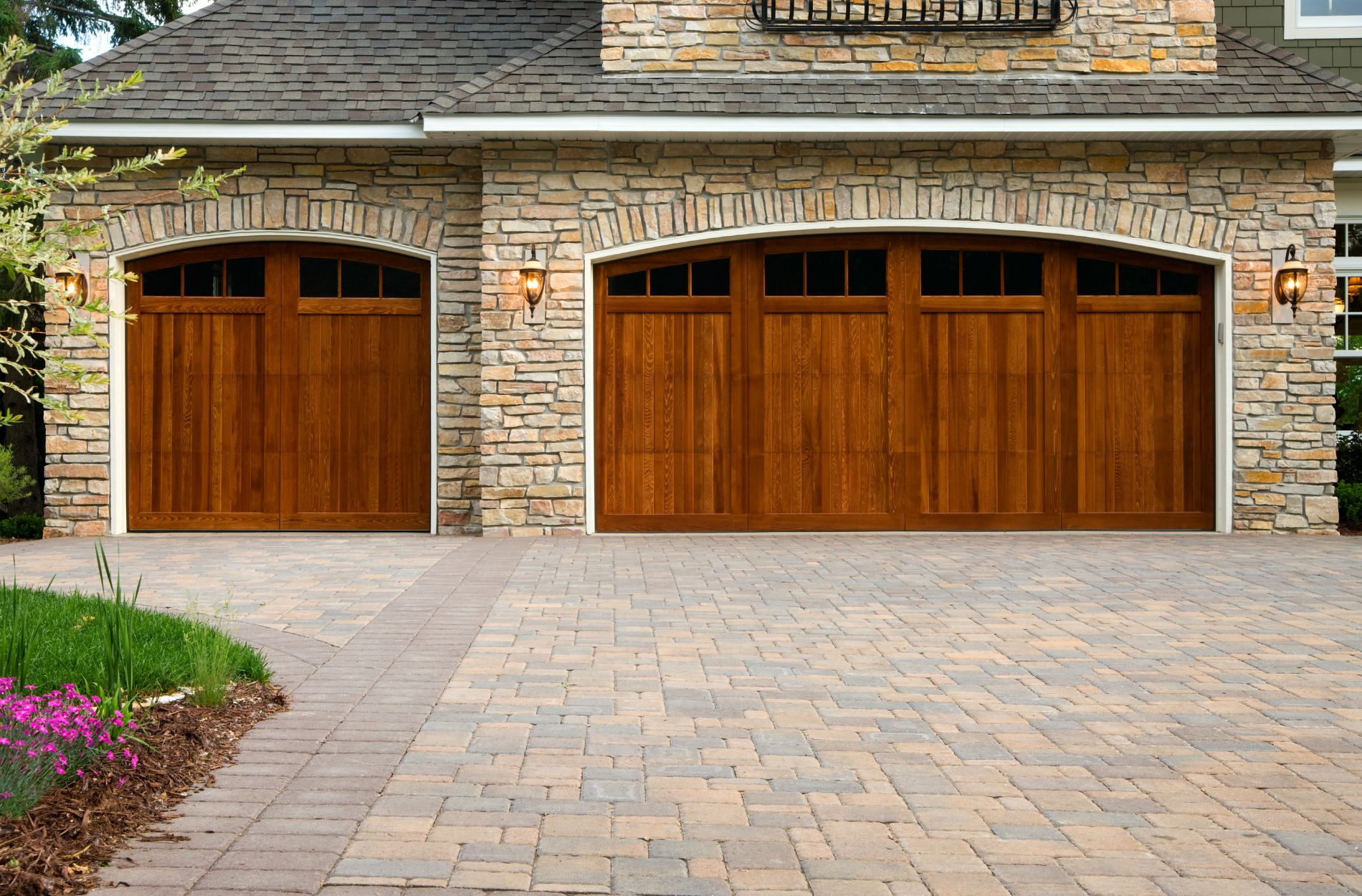
Late February in Ottawa tends to bring strange weather swings. The snow hasn’t quite left, but the brief warm-ups mixed with freezing nights are already setting the stage for spring. This is when many homeowners start to notice problems with their driveway surfaces. One of the more common issues we see is interlock heaving. It’s hard to miss once it shows up. Pavers shift, rise, or sink in random spots, usually after some freeze-thaw cycles.
Ottawa interlock driveways take a real beating through the winter months. The cold digs in deep, then mild air creeps back in, and things start to move under the surface. Before long, the damage shows up right on the driveway. In this article, we’re walking through the main reasons why this happens and what to watch for as the season starts to turn toward spring.
What Is Interlock Heaving and Why It Happens
Interlock heaving shows up as raised, sunken, or uneven pavers. It’s not usually the pavers themselves that are the issue; it’s the ground below them. When the soil under your driveway freezes and thaws, it expands and contracts. That pushes things around, especially if the base wasn’t built for it.
In Ottawa, we deal with a lot of freeze-thaw days in late winter and early spring. These constant changes put pressure on driveway layers from below. As water in the soil turns into ice, it takes up more space, lifting the stones. When it melts again, the ground sinks, but the pavers don’t always settle where they started.
This can leave a driveway uneven, hard to drive on, and looking rough. It can also be a tripping hazard as the surface shifts without warning. Once heaving starts, it usually keeps getting worse with each winter cycle if the root cause isn’t addressed.
Poor Base Preparation During Installation
One of the most common causes of interlock heaving is a weak or rushed base. A lot of people focus on the surface colours and patterns, but the layer underneath is what really keeps everything steady over time.
- A strong interlock base starts with a deep dig and several layers of crushed stone.
- Each layer needs to be compacted properly using a vibrating plate or roller.
- If any of these steps are skipped or rushed, it creates weak spots where ice and water can sneak in.
We’ve seen cases where driveways shift just a year or two after being installed, and it almost always ties back to base prep. If the ground wasn’t levelled right, or if the wrong materials were used, nothing on the surface will stay flat for long. Signs your base might be failing include pavers near the edges moving out of place or sections that rise in the winter and sink by early spring.
Water Drainage and Moisture Issues
Water is another reason interlock surfaces shift in late winter. When snow starts melting during the day, then refreezes at night, all that moisture can collect underneath the pavers. Once it freezes again, it pressures the layers below and pushes stones upward.
- Driveways without the right slope can trap meltwater, especially near entrances or garage areas.
- If there aren’t any proper drainage points, water has nowhere to go.
- Over time, pavers may start lifting in lines or random patches depending on where the water settles.
A driveway needs to be built so that water moves away quickly whenever things thaw. Even tiny dips in grade can lead to pooling, and in a place like Ottawa where winter sticks around, those pools freeze more often than not. That expansion under the surface is what lifts stones out of place.
Soil Type and Ground Movement in Ottawa
Ottawa is known for its clay-heavy soil, and that brings its own problems. Clay holds onto water, much more than sand or loose fill. So once it freezes, it swells. And when too much of it swells under a thin or uneven base, pavers shift with it.
- Clay absorbs moisture and doesn’t drain quickly.
- Frozen clay expands unevenly, depending on how saturated it is.
- When it thaws, it doesn’t settle evenly either, which adds to surface problems.
This type of soil means extra care needs to go into planning a driveway. The depth of the dig, the base materials, and the way the layers are compacted all have to match the soil’s behaviour through the cold months. If soil movement wasn’t considered early on, the winter will find those weak points every time.
Age and Normal Wear Over Time
Even if a driveway was built well, age can start to shift things. Each year, freeze-thaw cycles add stress. And if nobody checks the joints or replaces lost sand between pavers, water can slip into cracks more easily.
- Sand that washes away leaves gaps where water can seep below.
- Driveway edges might settle away from the centre, loosening the alignment.
- Base materials may shift slightly over long periods, especially if they weren’t deep enough.
This kind of wear doesn’t always show up quickly. You may start to see gradual dips or edges pulling apart from the rest of the surface. That’s usually a sign that the base has settled or that yearly winter stretch has quietly done its work.
Keeping Driveways Strong Through the Seasons
Ottawa interlock surfaces need a strong foundation to stand up to the freeze-thaw patterns we get between February and April. From what we’ve seen, the most common causes of heaving start with either water problems or a weak base that couldn’t take the pressure.
Driveways do wear out over time, but catching signs early, like shifting stones, uneven spots, or water build-up, can help avoid big problems later. By late February, when the weather begins to swing between mild and freezing, it’s a smart time to walk the driveway and see what’s held up and what hasn’t.
If anything looks off now, the weeks before spring are a good time to start thinking about upgrades or repairs. Fixing drainage, rebuilding worn edges, or strengthening the base before the next winter might sa
ve more time and trouble ahead. Knowing what to look for can keep a driveway working and looking better through all kinds of Ottawa weather.Dealing with a sinking or shifting driveway after another Ottawa freeze-thaw season? We get to the root of the problem, from drainage issues to unstable sublayers, so your investment lasts. Our crew at Impressions Group Ottawa Inc. assesses every aspect of your project, layout, grading, and foundation to ensure lasting results before next winter arrives. Find out how we handle upgrades and repairs for Ottawa interlock driveways by reaching out to us today.