
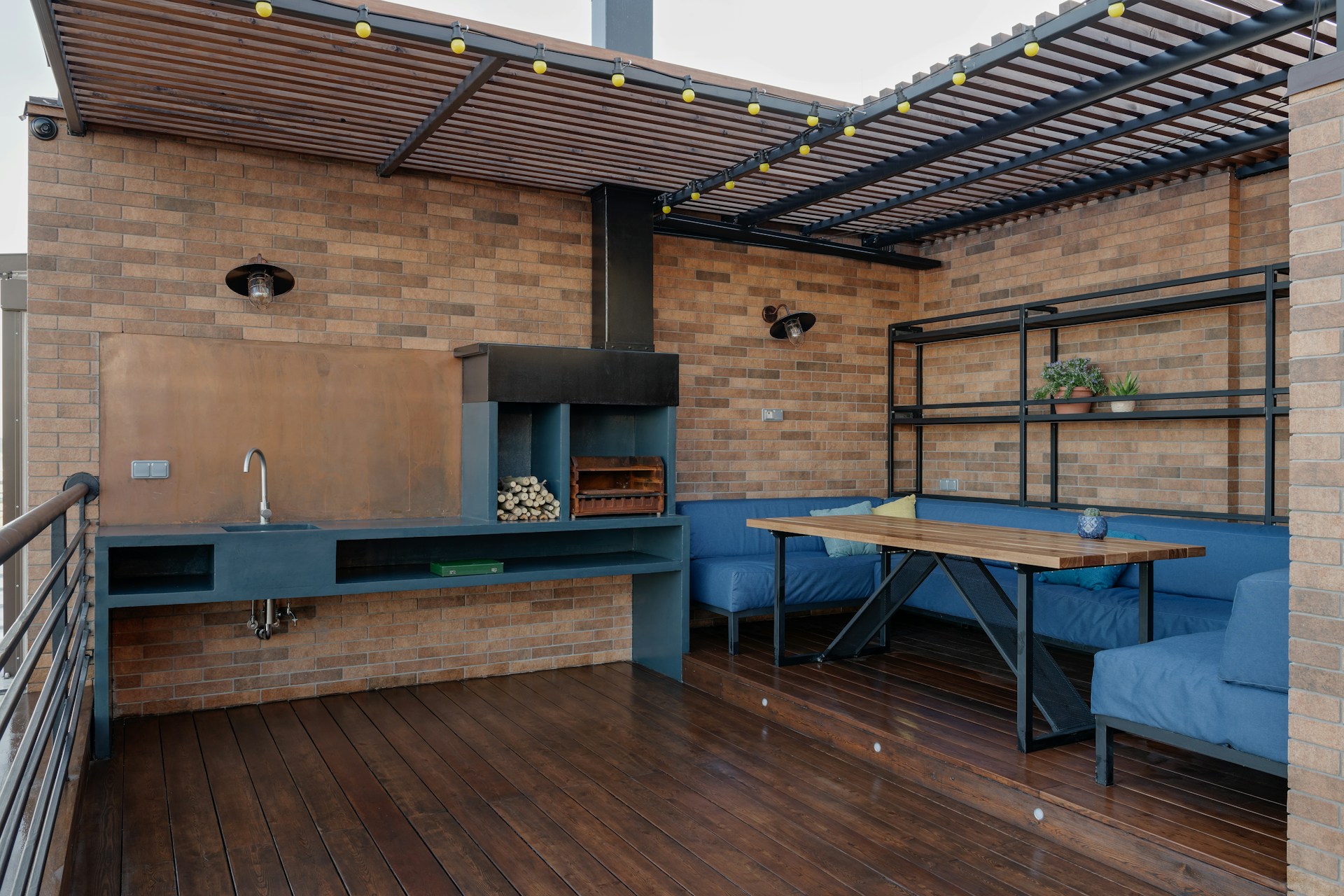
A backyard kitchen can be one of the most used and loved spaces in warmer seasons, but when Ottawa snow starts piling up, the setup can quickly turn into a problem if it’s not well-prepared. Freezing temperatures, heavy snowfall, and moisture build-up can damage appliances, surfaces, and even the structure itself. Taking the time to get your outdoor kitchen ready for winter helps protect your investment and saves you a lot of work come spring.
A proper plan makes the process easier. You don’t need to fully winterize every little thing, but neglecting key areas can lead to long-term wear and tear or even safety hazards. Whether your setup includes a built-in BBQ, stone countertops, or just a few weather-sensitive appliances, a few simple steps can go a long way in making sure everything stays in good shape until the snow melts.
Preparing Your Outdoor Kitchen For Winter
As Ottawa homes brace for weeks of heavy snow and below-zero wind chills, there’s a short window in late fall or early winter to prepare your space. The idea is to take protective steps that block out moisture, shield against weight from ice or snow, and shut down any utilities that could cause issues if left running.
Visual inspection is a good place to start. Look over counters, cabinets, sinks, and appliances for signs of wear or damage. Fixing small cracks or sealing joints now can help stop freeze-thaw damage later. Here’s a quick list to help break down the most important outdoor kitchen winter prep jobs:
– Scrub down grills, countertops, sinks, and cabinets so that no grease, crumbs, or liquids are left behind.
– Let everything dry fully, especially stainless steel appliances or storage drawers.
– Use a food-safe sealant or cleaner on surfaces like stone or granite to help prevent cracking from moisture absorption.
– Fully disconnect and clean out any fridges, beverage coolers, or ice makers. Leave doors slightly open so air can circulate and block mildew.
– Move smaller appliances like blenders or propane torches inside for the season.
– Shut off outdoor water lines to sinks to keep plumbing from freezing and bursting.
Putting away items correctly now means you won’t be dealing with expensive replacements come spring. An example of this: someone forgot to detach and store their outdoor mini fridge, and by February the frozen moisture inside had expanded, pushing open the door and warping the frame. It’s the kind of damage that could’ve easily been avoided by draining it and bringing it inside.
Winter-Proofing Structures And Furniture
Even if your kitchen area is fairly simple, don’t underestimate what several feet of snow can do to countertops or nearby fixtures. Anything left uncovered will take a direct hit from wind, wet snow, and freeze-thaw cycles, which can all leave a mark.
Start with covers made from weather-resistant materials. Polyester or vinyl covers work well to block moisture, but they should also have decent airflow to stop condensation from forming underneath. Consider investing in custom-fit covers for your larger structures like your built-in BBQ station or pizza oven dome. It’s not just about looking tidy. Covers help keep snow and ice from creeping into seams and breaking things apart during freeze cycles.
If your outdoor kitchen includes benches, stools, or bar seating, stack the furniture and tie it down using bungee cords or heavy-duty straps. Cover them tightly and store cushions indoors or in a dry shed. Freezing and thawing can ruin foam and stitching pretty quickly, even if the cushions seem protected at first glance.
Protecting structures that surround your kitchen, like pergolas, privacy walls, or lighting enclosures, is also a smart idea. Check wood or stone for cracks or seams that may need sealant. If your lighting is wired in, confirm it’s disconnected from power or controlled by a timer that’s off. The lighter elements can be damaged or even ripped loose during heavy blizzards, so double check everything is stable and reinforced.
Maintaining Kitchen Utilities And Plumbing
Once your outdoor kitchen is covered, you’ve still got to think about what’s happening underneath and behind the scenes. Pipes, gas lines, and your electrical setup need just as much attention as the surfaces and furniture. Frozen pipes are a regular issue during Ottawa winters, and if one bursts, it can leave a huge mess behind, not to mention added repair costs.
Start with your sink plumbing. If it’s connected to your indoor water line or an outdoor hose bib, shut it off from the main valve inside the house. Drain any remaining water from the system to stop it from freezing and expanding inside the pipes. Don’t forget to open valves to release air pressure and let it flow out clean. Disconnect any hoses and store them indoors.
Your gas BBQ systems or fire features also need checking. If you’re using a propane tank, close the valve tightly and detach the hose to keep moisture out. For natural gas connections, it’s smart to have a professional cap off the line if you’re not going to use it during winter. Even if everything is rated for cold weather, ice buildup or shifting snow can loosen joints over time.
Electric elements like lighting or mini-fridges should be unplugged after a full clean. If they run through outdoor GFCI outlets, switch those off too. Rodents and moisture can get into forgotten plugs and make a mess by spring.
Use foam pipe sleeves or wrap insulation tape around any exposed piping for extra protection. It doesn’t take a lot of effort, and it’s better than risking an expensive break when water expands during hard freezes. Make a habit of giving everything a quick look before the deep cold rolls in, and you’ll be way ahead of the game.
Regular Winter Maintenance Tips
Winter prep doesn’t end as soon as the snow hits. Things can shift or wear down over time, especially when snow and ice build up faster than expected. A few check-ins throughout the season can help you spot small problems before they grow into bigger headaches.
Here are some smart maintenance habits to keep your outdoor kitchen in shape all winter:
– Clear snow off countertops, surfaces, and covers regularly. Don’t let it pile up too high or sit soaked for too long.
– Brush off ice gently with a soft broom or rubber edge scraper to avoid scratching sealed surfaces.
– Tap the edges of furniture covers after every snowfall so ice doesn’t freeze them in place or tear fabric from the weight.
– Make sure storage bins, cabinets, or sealable drawers are still watertight and animal-proof midway through the season.
– Keep an eye on support beams, especially on covered areas like pergolas or gazebos. Snow load can cause shifting or sagging if not managed.
One homeowner we spoke with had a pergola attached to their outdoor cooking area. After a few weeks of heavy snow, a cracked post went unnoticed until early March when it finally gave out, damaging the counter below. A midseason check might have flagged the issue early and saved them a lot of trouble.
Enhancing Your Winter Outdoor Experience
While you’re focused on protection, that doesn’t mean you can’t enjoy the space. There are lots of simple upgrades that make your outdoor kitchen feel warm and inviting all year, even in sub-zero weather. If your setup is built for it, a few tweaks can turn your cold patio into a quiet and cosy retreat.
Heaters are a good place to start. Tabletop propane heaters, ceiling-mounted electric units, or portable patio models can all bring comfort without needing full construction changes. Just make sure they’re designed for outdoor use and properly spaced from flammable materials.
You could also block off cold winds by using hangable vinyl panels or weather curtains, especially on open-sided walls. If things get really windy in your area, stacking up storage bins or wood panelling in a corner nook can also help make one side more sheltered. Add a fire pit nearby, raised and away from anything flammable, and suddenly your setup feels less like winter and more like a cottage getaway.
If you’re lucky enough to have an outdoor TV or speaker system already wired in, you can turn even a quiet weeknight into a movie night or casual gathering spot. All you need is the right furniture layout, a few soft throws, and something hot to sip.
Why Winter Protection Pays Off
Taking the steps to protect your outdoor kitchen during Ottawa’s snowy season gives you more than just peace of mind. It helps everything last longer, look better, and work the way it’s supposed to without unexpected repair bills or delays when warm weather returns. Gear, furniture, and surfaces can all wear down a lot faster when they’re left exposed to repeated storms or deep cold.
With a little effort upfront and some regular winter care, you don’t have to pack away your outdoor living dreams until May. Whether you’re aiming to cook outside on milder days or just want everything ready to go when spring hits, staying on top of snow and cold weather prep makes a difference. Protecting your outdoor kitchen now helps you enjoy it sooner, longer, and with much less hassle each season.
Embrace the beauty of winter while maximizing the use of your outdoor kitchen in Ottawa. By safeguarding your space, you ensure that everything is ready to go come spring. If you’re looking for professional assistance with site preparation and overall maintenance, Impressions Group Ottawa Inc. can guide you through making your outdoor kitchen a year-round feature. For more insight into enhancing your outdoor setup, explore how our services for your outdoor kitchen in Ottawa can help create and maintain the ideal space.